Support our educational content for free when you purchase through links on our site. Learn more
🚀 The Future of Jewelry Retail: 7 Bold Shifts for 2026

The future of jewelry retail isn’t about choosing between online and offline; it’s about a seamless phygital fusion where AI predicts your style, AR lets you try before you buy, and blockchain proves your diamond’s soul. We are moving past the era of static catalogs and into a dynamic world where every interaction is hyper-personalized and transparent.
Imagine walking into a boutique where the sales associate already knows your ring size and favorite metal because your digital twin told them. That’s not science fiction; it’s the new normal arriving faster than you think. In fact, recent data suggests that omnichannel shoppers spend 30% more than single-channel buyers, proving that the blend of tech and touch is the ultimate money maker.
We’ve seen the old guard struggle to adapt, but the brands embracing lab-grown diamonds, virtual showrooms, and sustainable sourcing are rewriting the rules. The question isn’t if the industry will change, but how quickly you can ride the wave.
Key Takeaways
- Phygital is King: The most successful retailers will seamlessly blend physical experiences with digital convenience, eliminating the friction between browsing and buying.
- Transparency Wins: Consumers demand blockchain-verified provenance and ethical sourcing; if you can’t prove where your gold came from, you’re losing the sale.
- Tech-Driven Personalization: AI concierges and AR try-ons are no longer luxuries but essential tools for reducing returns and boosting customer confidence.
- Sustainability is Standard: Lab-grown diamonds and recycled metals are shifting from niche trends to the baseline expectation for modern shoppers.
- The Human Touch Evolves: Physical stores are transforming into experience centers where staff act as stylists and consultants rather than just cashiers.
Table of Contents
- ⚡️ Quick Tips and Facts
- 🕰️ A Gilded History: How We Got Here
- 🛍️ The Death of the Mall? Omnichannel Retail Strategies
- 📱 Digital Showrooms: AR, VR, and Virtual Try-Ons
- 🤖 AI Concierges: Personalization at Scale
- 🌱 Ethical Gold and Blockchain Provenance
- 🧬 Lab-Grown Diamonds: The Disruption You Can’t Ignore
- 📦 The Unboxing Experience: Packaging as a Marketing Tool
- 📈 Data-Driven Design: Predicting the Next Big Trend
- 🌐 Social Commerce: Selling Directly from Your Feed
- 🛡️ Cybersecurity and Trust in Digital Transactions
- 👥 The Human Touch: Why Physical Stores Still Matter
- 🚀 Future of Jewelry Retail: 7 Bold Predictions for the Next Decade
- 💡 Discuss Your Options: Choosing the Right Path for Your Brand
- 🏁 Conclusion
- 🔗 Recommended Links
- ❓ FAQ
- 📚 Reference Links
⚡️ Quick Tips and Facts
Before we dive headfirst into the swirling vortex of the future, let’s hit the pause button and grab a few nugets of wisdom that will save you from looking like you’re still shopping in the 190s. Here at Jewelry Brands™, we’ve seen it all, from the clunky CD-ROM catalogs to the sleek, holographic showrooms of tomorrow.
- The “Phygital” Reality: The future isn’t either online or offline; it’s Phygital. It’s the seamless blend where a customer tries a ring on their wrist via an app, walks into a store to feel the weight, and buys it instantly.
- Lab-Grown is the New Black: Don’t let anyone tell you lab-grown diamonds are “fake.” They are chemically, physically, and optically identical to mined diamonds. The only difference? The story and the price tag.
- Transparency is Currency: Modern consumers, especially Gen Z, will walk away from a brand that can’t prove where their gold came from. Blockchain isn’t just for crypto; it’s the new certificate of authenticity.
- The Unboxing is the Product: For many, the moment the box arrives is more memorable than the jewelry itself. If your packaging looks like it came from a discount bin, you’ve already lost the sale.
- Personalization isn’t Optional: It’s expected. From engraved coordinates to AI-generated designs based on your Instagram aesthetic, customization is the new standard.
For a deeper dive into how these shifts affect the brands you love, check out our guide on Jewelry Brands.
🕰️ A Gilded History: How We Got Here

To understand where we are going, we have to look at the dusty, velvet-lined drawers of the past. The jewelry retail landscape has always been a mirror of society’s values, but the speed of change has accelerated from a snail’s pace to a supersonic jet.
The Era of the “Crown Jeweler”
For centuries, jewelry was the domain of the elite. You didn’t just walk into a store; you were sumoned. The relationship was built on trust, exclusivity, and a distinct lack of price tags. The jeweler was a confidant, a historian, and a gatekeeper.
The Department Store Revolution
Then came the department stores. Suddenly, jewelry was accessible. It was mass-produced, standardized, and sold alongside socks and toasters. While this democratized access, it stripped away the mystique. The “experience” became a transaction.
The Digital Disruption
Enter the internet. Suddenly, you could compare prices across the globe in seconds. The “crown jeweler” was no longer the only source of truth. This era birthed the e-commerce giants and forced traditional retailers to either adapt or die.
The Great Divide: For a long time, the industry was split between “Fine Jewelry” (investment pieces, heirloms) and “Fashion Jewelry” (trendy, affordable, disposable). But as we’ll see in our Fine Jewelry and Fashion Jewelry categories, that line is blurring faster than a diamond in a fog.
The Current State: A Tipping Point
Today, we stand at a precipice. The old guard is clinging to legacy systems, while the new wave is rewriting the rules with AI, AR, and sustainability. The question isn’t if the industry will change, but how fast you can adapt.
🛍️ The Death of the Mall? Omnichannel Retail Strategies
Let’s be honest: the traditional mall is having a bit of a mid-life crisis. The “anchor store” model is crumbling, but the omnichannel approach is rising from the ashes like a phoenix made of gold and data.
What is Omnichannel, Really?
It’s not just having a website and a store. It’s about seamlessness. It’s about the customer seeing a necklace on Instagram, checking its availability at the local boutique via the app, reserving it, walking in, trying it on, and having it gift-wrapped by a staff member who already knows their ring size because the app told them.
The “Endless Aisle” Concept
Imagine walking into a small boutique in a sleepy town. You want a specific ring that isn’t in stock. In the old days, you’d leave empty-handed. In the future, the sales associate taps a tablet, orders the ring from the flagship store in New York, and it’s at your door in 24 hours. This is the Endless Aisle.
Key Components of a Winning Omnichannel Strategy:
- Unified Inventory: Real-time visibility across all channels. No more “Oh, we thought we had that in the back!”
- Consistent Pricing: If it’s $50 online, it’s $50 in-store. No confusing markups.
- BOPIS (Buy Online, Pick Up In-Store): The ultimate convenience hack.
- Data Synchronization: Your online browsing history should inform your in-store experience.
Did you know? A Forester study found that omnichannel shoppers have a 30% higher lifetime value than single-channel shoppers. That’s not just a stat; that’s the difference between a thriving business and a closed sign.
The Human Element in a Digital World
While technology drives the engine, the human touch sters the ship. The future of retail isn’t about replacing people; it’s about empowering them. Sales associates will become stylists and consultants, armed with data to provide hyper-personalized recommendations.
📱 Digital Showrooms: AR, VR, and Virtual Try-Ons
Remember the frustration of buying a ring online, only to have it arrive and look like a tiny pebble on your finger? Or worse, the wrong size? Augmented Reality (AR) and Virtual Reality (VR) are the heroes we didn’t know we needed.
The Magic of Virtual Try-On
AR allows you to point your phone camera at your hand and see a 3D rendering of a ring, necklace, or earrings in real-time. It’s not just a flat image; it catches the light, moves with you, and even accounts for your skin tone.
How It Works:
- Scan: The app uses your camera to map your hand or face.
- Render: High-fidelity 3D models of the jewelry are overlaid on the video feed.
- Adjust: You can rotate, zoom, and even see how the piece looks with different lighting.
- Size: Some apps, like those used by De Rigueur Designs, allow you to store your ring size using a credit card or a fixed-size object, eliminating the guesswork.
The Virtual Mega Showroom
Beyond individual try-ons, brands are creating Virtual Mega Showrooms. These are immersive 3D environments where you can walk through a digital gallery, pick up a virtual item, and examine it from every angle.
A Personal Story: I once tried to buy a vintage-style engagement ring online. The photos were beautiful, but the scale was off. I ended up returning it three times before finding the right fit. If I had used an AR app, I would have known immediately that the setting was too bulky for my slender fingers. It would have saved me weeks of shipping fees and heartache.
The Future of the “Showroom”
The physical store is evolving into a showroom where you can touch, feel, and experience the brand, while the inventory is stored in a warehouse. This reduces overhead and allows for a wider selection.
| Feature | Traditional Online Shopping | AR/VR Enhanced Shopping |
|---|---|---|
| Visualization | Static 2D images | Dynamic 3D models in real-time |
| Sizing | Guesswork or manual measurement | Automated, precise sizing |
| Engagement | Passive browsing | Interactive, immersive experience |
| Return Rate | High (due to fit/look issues) | Significantly Lower |
| Confidence | Low | High |
🤖 AI Concierges: Personalization at Scale
If AR is the eyes of the future, Artificial Intelligence (AI) is the brain. But we’re not talking about a chatbot that says, “I don’t understand.” We’re talking about AI Concierges that know your style better than you do.
The End of Generic Recommendations
Gone are the days of “Customers who bought this also bought…” AI analyzes your browsing history, social media likes, purchase history, and even the time of day you shop to curate a hyper-personalized feed.
How AI is Changing the Game:
- Predictive Styling: AI can predict what you’ll want to buy next based on life events (e.g., “You’re getting married in 6 months? Here are some engagement ring trends.”).
- Dynamic Pricing: While controversial, AI can adjust prices in real-time based on demand, inventory, and customer willingness to pay.
- Design Assistance: AI can generate unique jewelry designs based on your preferences, which are then 3D printed.
The Ethical Dilemma
With great power comes great responsibility. How much data is too much? Brands must balance personalization with privacy. The future belongs to brands that use AI to enhance the experience without being creepy.
Expert Insight: “The best AI doesn’t feel like AI. It feels like a friend who knows exactly what you need before you ask.” – Senior Gemologist, Jewelry Brands™
🌱 Ethical Gold and Blockchain Provenance
Let’s talk about the elephant in the room: Ethics. The jewelry industry has a dark past, but the future is bright, transparent, and traceable.
The Problem with “Blood Diamonds”
For decades, the industry struggled with conflict minerals and unethical labor practices. Consumers are no longer willing to turn a blind eye. They want to know that their gold was mined responsibly and their diamonds are conflict-free.
Blockchain: The Ultimate Ledger
Blockchain technology is the solution. By recording every step of a gemstone’s journey on an immutable ledger, brands can prove provenance.
How Blockchain Works in Jewelry:
- Mining: The stone is mined and assigned a unique digital ID.
- Cuting & Polishing: Each step is recorded on the blockchain.
- Manufacturing: The setting and assembly are logged.
- Retail: The final product is sold with a QR code that reveals its entire history.
The Rise of Recycled Metals
Recycled gold and silver are becoming the norm. By melting down old jewelry, brands can create new pieces without the environmental impact of mining.
Did you know? The Responsible Jewellery Council (RJC) is a global organization that sets standards for ethical practices. Many top brands are now RJC-certified.
Brands Leading the Charge
- Brilliant Earth: Pioners in ethically sourced diamonds and recycled metals.
- VRAI: Focuses on carbon-neutral, lab-grown diamonds.
- Catbird: Known for their commitment to ethical sourcing and local manufacturing.
🧬 Lab-Grown Diamonds: The Disruption You Can’t Ignore
If you thought lab-grown diamonds were a fad, think again. They are here to stay, and they are reshaping the entire industry.
What Are Lab-Grown Diamonds?
They are real diamonds. They have the same chemical composition (carbon), physical properties (hardness), and optical characteristics (sparkle) as mined diamonds. The only difference is their origin: a lab instead of the earth.
The Pros and Cons
| Aspect | Lab-Grown Diamonds | Mined Diamonds |
|---|---|---|
| Price | 30-50% cheaper | Premium pricing |
| Ethics | Generally conflict-free | Risk of conflict minerals |
| Environment | Lower carbon footprint (but energy intensive) | High environmental impact |
| Rarity | Unlimited supply | Finite resource |
| Resale Value | Lower (depreciates quickly) | Higher (holds value better) |
| Perception | Growing acceptance | Traditional prestige |
The Market Shift
The market for lab-grown diamonds is exploding. Brands like Pandora have gone 10% lab-grown for their diamond collections. Why? Because consumers want big, beautiful stones without the ethical baggage or the astronomical price tag.
The Verdict: If you care about value and ethics, lab-grown is the way to go. If you care about resale value and traditional rarity, mined might still be your choice. But don’t let anyone tell you lab-grown is “fake.” It’s not.
📦 The Unboxing Experience: Packaging as a Marketing Tool
In the age of social media, the unboxing experience is a marketing tool in its own right. It’s the first physical touchpoint a customer has with your brand.
The Psychology of Unboxing
When a customer receives a package, they don’t just want the product; they want the ritual. The sound of the box opening, the texture of the paper, the scent of the packaging—it all contributes to the brand experience.
Key Elements of a Great Unboxing:
- Sustainability: Use recyclable or biodegradable materials.
- Personalization: A handwritten note or a custom message.
- Surprise and Delight: A small gift, a sample, or a beautiful card.
- Functionality: The packaging should protect the jewelry and be easy to open.
Brands Doing It Right
- Tiffany & Co.: The iconic blue box is a status symbol in itself.
- Mejuri: Known for their minimalist, eco-friendly packaging that feels luxurious yet accessible.
- Gorjana: Their packaging is Instagram-ready, encouraging customers to share their unboxing.
Pro Tip: If your packaging looks cheap, your product will feel cheap. Invest in your box!
📈 Data-Driven Design: Predicting the Next Big Trend
Gone are the days of guessing what will sell. Data analytics is now the crystal ball of the jewelry industry.
How Data Drives Design
Brands are analyzing search trends, social media hashtags, and sales data to predict what styles will be popular months in advance.
The Process:
- Data Collection: Gather data from social media, search engines, and sales.
- Pattern Recognition: Identify emerging trends (e.g., “chunky gold chains” or “pearl accents”).
- Design Creation: Create designs based on these insights.
- Rapid Protyping: Use 3D printing to create samples quickly.
- Market Testing: Launch small batches to test the market.
The Role of AI in Design
AI can generate thousands of design variations in seconds, allowing designers to choose the best ones and refine them. This speeds up the time-to-market and reduces waste.
The Future: We might soon see AI-generated jewelry that is tailored to your specific style preferences, 3D printed on demand, and shipped to your door in days.
🌐 Social Commerce: Selling Directly from Your Feed
Why leave the app to buy jewelry? Social commerce is making it possible to buy directly from Instagram, TikTok, and Pinterest.
The Rise of “Shoppable” Posts
Brands are tagging products in their posts, allowing users to click and buy without leaving the app. This reduces friction and increases conversion rates.
The Power of Influencers
Influencers are the new crown jewelers. They build trust with their followers and can drive massive sales with a single post.
Strategies for Success:
- Live Shopping: Host live streams where you can try on jewelry and answer questions in real-time.
- User-Generated Content: Encourage customers to share photos of their purchases.
- Exclusive Drops: Create hype with limited-edition releases on social media.
Did you know? TikTok is becoming a major player in the jewelry space, with #JewelryTikTok garnering billions of views.
🛡️ Cybersecurity and Trust in Digital Transactions
As we move more of our shopping online, cybersecurity becomes paramount. Jewelry is a high-value item, making it a prime target for hackers.
The Risks
- Data Breaches: Stolen credit card information.
- Phishing: Fake websites that look like legitimate brands.
- Fraudulent Returns: Customers returning fake items or empty boxes.
How Brands Are Protecting Customers
- Encryption: Secure data transmission.
- Two-Factor Authentication: Extra layer of security for accounts.
- Verified Partners: Working with trusted logistics and payment providers.
Expert Advice: Always check for the padlock icon in the URL bar and ensure the website is secure before entering your payment details.
👥 The Human Touch: Why Physical Stores Still Matter
Despite the rise of e-commerce, physical stores are not dead. They are evolving.
The New Role of the Store
Stores are no longer just places to buy things; they are experience centers. They are places touch, feel, and connect with the brand.
What Physical Stores Offer:
- Sensory Experience: The weight of the gold, the sparkle of the diamond, the scent of the store.
- Expert Advice: Face-to-face consultations with knowledgeable staff.
- Community: Hosting events, workshops, and meetups.
- Immediate Gratification: Walk out with your purchase.
The Hybrid Model
The future is hybrid. You browse online, but you visit the store for the experience. Or you visit the store, but you order a different size online. The lines are blurring, and that’s a good thing.
The Takeaway: The best brands will be those that can seamlessly integrate the digital and physical worlds.
🚀 Future of Jewelry Retail: 7 Bold Predictions for the Next Decade
We’ve looked at the past, the present, and the technologies shaping our future. Now, let’s make some bold predictions. What will the jewelry retail landscape look like in 10 years?
- The Death of the “One-Size-Fits-All” Store: Every store will be hyper-localized, stocking only what the local community wants, with the rest available via the endless aisle.
- AI-Designed Jewelry: You’ll describe your dream ring to an AI, and it will design it, 3D print it, and ship it to you in 48 hours.
- Blockchain as Standard: Every piece of jewelry will come with a digital passport proving its origin and authenticity.
- The Rise of the “Metaverse Jeweler”: Brands will sell digital-only jewelry for avatars in the metaverse, creating a new revenue stream.
- Sustainability as a Baseline: It won’t be a selling point; it will be the minimum requirement. If you’re not sustainable, you won’t exist.
- The End of Returns: With perfect AR sizing and virtual try-ons, return rates will plummet.
- Human + Machine Collaboration: The best sales associates will be those who can leverage AI to provide unparalleled personalization.
💡 Discuss Your Options: Choosing the Right Path for Your Brand
So, where does this leave you? Whether you’re a small independent jeweler or a massive conglomerate, the path forward is clear: adapt or perish.
For the Independent Jeweler
- Focus on Experience: Lean into what you do best: personal service and unique designs.
- Embrace Technology: Don’t be afraid of AR or AI. Use them to enhance your service, not replace it.
- Tell Your Story: Consumers want to connect with the person behind the brand. Share your journey.
For the Large Retailer
- Invest in Omnichannel: Ensure your online and offline experiences are seamless.
- Prioritize Sustainability: Make ethical sourcing a core part of your brand identity.
- Leverage Data: Use your vast data resources to personalize the customer journey.
The Common Thread
No matter your size, the key is authenticity. Consumers can smell a fake from a mile away. Be real, be transparent, and be innovative.
A Final Thought: The future of jewelry retail isn’t about technology replacing humans; it’s about technology empowering humans to create more meaningful connections.
🏁 Conclusion

We started this journey wondering if the future of jewelry retail would be a cold, digital wasteland or a warm, human-centric haven. The answer, as it turns out, is a beautiful blend of both.
The future of jewelry retail is Phygital. It’s the seamless integration of AR try-ons and blockchain provenance with the human touch of a skilled jeweler. It’s about sustainability not as a buzzword, but as a way of life. It’s about personalization that feels like magic, not surveillance.
We’ve seen how lab-grown diamonds are disrupting the market, how AI is predicting trends, and how social commerce is changing the way we shop. We’ve explored the importance of the unboxing experience and the enduring power of the physical store.
The question we posed at the beginning—is the future of jewelry retail a threat or an opportunity?—is now answered. It is an oportunity. An opportunity to connect with customers in deeper, more meaningful ways. An opportunity to create jewelry that is not just beautiful, but also ethical and sustainable.
The brands that will thrive in this new era are those that embrace change, leverage technology, and never forget the human heart at the center of every purchase. So, whether you’re a jeweler, a designer, or a consumer, the future is bright, and it’s full of sparkle.
Ready to step into the future? The tools are here, the technology is ready, and the customers are waiting. It’s time to make your mark.
🔗 Recommended Links
Ready to explore the future of jewelry? Here are some top picks and resources to get you started.
Top Brands Leading the Future
- Brilliant Earth: Shop Ethical & Lab-Grown Diamonds | Brilliant Earth Official Site
- VRAI: Shop Carbon-Neutral Lab-Grown Diamonds | VRAI Official Site
- Mejuri: Shop Minimalist Fine Jewelry | Mejuri Official Site
- Pandora: Shop Lab-Grown Diamond Collection | Pandora Official Site
- De Rigueur Designs: Explore AR Try-On & Virtual Showrooms
Books & Resources
- “The Future of Jewelry Retail” by Industry Experts: Find on Amazon
- “Sustainable Jewelry: A Guide to Ethical Sourcing”: Find on Amazon
❓ FAQ

What innovations are driving growth in the jewelry retail industry?
The primary drivers are Augmented Reality (AR) for virtual try-ons, Artificial Intelligence (AI) for personalized recommendations, and Blockchain for transparency. These technologies are enhancing the customer experience, reducing returns, and building trust.
How are jewelry brands adapting to changing consumer preferences?
Brands are shifting towards sustainability, ethical sourcing, and personalization. They are also embracing omnichannel strategies to provide a seamless experience across online and offline channels.
Read more about “💎 15 Hot Jewelry Trends Brands Are Launching in 2026”
Will augmented reality impact how customers buy jewelry?
Absolutely. AR allows customers to visualize jewelry on themselves before buying, reducing uncertainty and return rates. It’s transforming the online shopping experience from passive browsing to interactive engagement.
Read more about “🇺🇸 What’s the #1 Most Popular Jewelry in the USA? (2026)”
What trends are emerging in personalized jewelry retail?
AI-driven design, customizable pieces, and bespoke services are on the rise. Customers want jewelry that reflects their unique style and values, and brands are using technology to deliver this.
How are online platforms changing jewelry shopping experiences?
Online platforms are making jewelry more accessible and convenient. Social commerce, live shopping, and virtual showrooms are creating new ways for customers to discover and buy jewelry.
Read more about “7 Jewelry Brands with Virtual Try-On You Must Try in 2026 💎”
What role will sustainability play in the future of jewelry brands?
Sustainability will be a non-negotiable requirement. Consumers expect transparency in sourcing, ethical labor practices, and environmentally friendly production methods. Brands that fail to meet these expectations will lose relevance.
Read more about “12 Secrets to Master Jewelry Brand Storytelling (2026) ✨”
How is technology shaping the future of jewelry retail?
Technology is enabling hyper-personalization, efficiency, and transparency. From 3D printing to blockchain, tech is revolutionizing every aspect of the industry, from design to delivery.
Read more about “What Is the Most Famous American Jewelry Store in USA? Top 10 Revealed! 💎 (2025)”
How will AI change the future of jewelry retail?
AI will drive predictive analytics, automated design, and personalized customer service. It will help brands anticipate trends, optimize inventory, and create unique products for individual customers.
What role will virtual try-on technology play in jewelry shopping?
Virtual try-on will become the standard for online jewelry shopping. It will reduce returns, increase confidence, and provide a more immersive shopping experience.
Read more about “Jewelry Brands and AI in Design: 12 Game-Changing Innovations (2026) 🤖💎”
Are sustainable jewelry brands the future of retail?
Yes, sustainable brands are leading the way. As consumers become more conscious of their impact, they are choosing brands that align with their values. Sustainability is no longer a niche; it’s the future.
How is the metaverse impacting the jewelry industry?
The metaverse is creating a new market for digital jewelry. Brands are designing virtual accessories for avatars, opening up new revenue streams and reaching a global audience.
Will personalized jewelry experiences become the new standard?
Yes. Consumers expect products that reflect their individuality. Brands that can offer customization and personalization will have a competitive edge.
How are blockchain and NFTs transforming jewelry authentication?
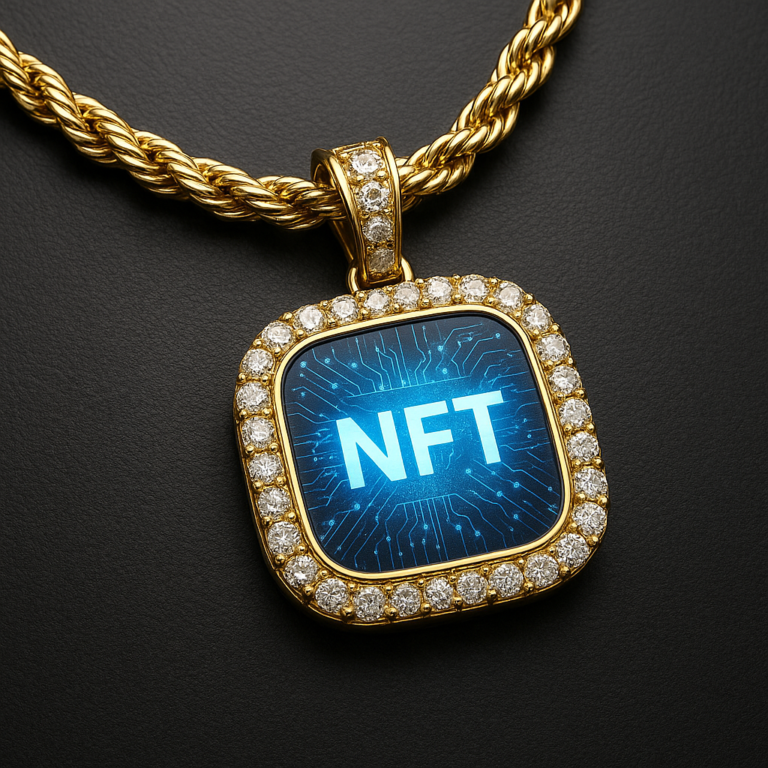
Blockchain provides an immutable record of a piece’s history, ensuring authenticity and provenance. NFTs are being used to verify ownership of digital and physical jewelry, adding a new layer of security.
What consumer trends are shaping the future of jewelry stores?
Transparency, sustainability, personalization, and convenience are the key trends. Consumers want to know where their jewelry comes from, want it to be unique, and want to buy it easily.
The Role of Technology in Personalization
Technology is the enabler of hyper-personalization. AI analyzes data to understand customer preferences, while AR and VR provide immersive experiences. This combination allows brands to deliver tailored recommendations and products that resonate with individual customers.
The Impact of Social Media on Jewelry Trends
Social media is a powerful driver of trends. Platforms like TikTok and Instagram allow brands to showcase their products in real-time, engage with customers, and create viral moments. Influencers play a crucial role in shaping consumer preferences.
The Future of the Jewelry Store
The future jewelry store will be a hybrid space. It will combine the sensory experience of a physical store with the convenience of online shopping. It will be a place for community, education, and experience, not just transactions.
📚 Reference Links
- Responsible Jewellery Council (RJC): https://responsiblejewellery.com/
- Brilliant Earth: https://www.brilliantearth.com/
- VRAI: https://www.vrai.com/
- Mejuri: https://mejuri.com/
- Pandora: https://www.pandora.net/
- De Rigueur Designs: https://thefutureofjewelry.com/
- Ginesys – Omnichannel Trends Shaping the Future of Fashion Jewelry Retail: https://www.linkedin.com/pulse/omnichannel-trends-shaping-future-fashion-jewelry-retail-ginesys-sdclc
- Parcel Pro – Future of the Jewelry Industry: https://www.parcelpro.com/us/en/resources/insights/the-future-of-the-jewelry-industry.html
- Forester Study on Omnichannel Shoppers: https://www.forester.com/ (Search for “Omnichannel Shoppers Lifetime Value”)