Support our educational content for free when you purchase through links on our site. Learn more
Where Can You Find Unique Handcrafted Jewelry Brands? 18 Finds 💍

Where can I find unique handcrafted jewelry brands? Start with independent designers’ websites, artisan markets, local galleries, and maker-focused marketplaces such as Etsy. For a more curated first look, explore 18 distinctive brands, including Catbird, Mociun, Bario Neal, and Alex Monroe—and check each piece’s materials, maker, and production details before you buy.
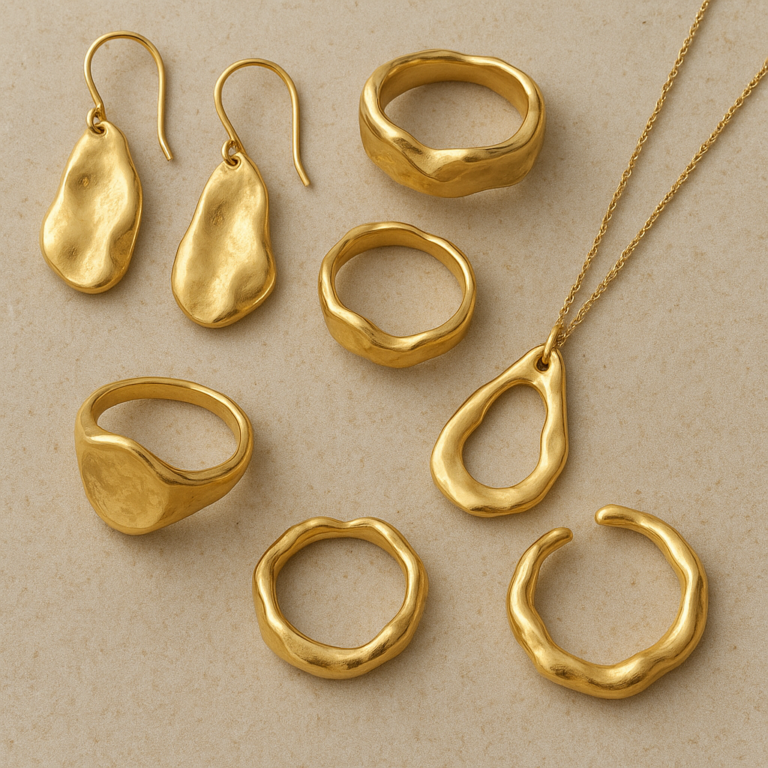
Handcrafted jewelry is a wide-open design universe: one studio might forge sculptural silver by hand, while another sets colorful gemstones into delicate, made-to-order rings. We’ve found that asking a simple question—“Who made this, and which parts were handmade?”—can reveal more than a polished product photo ever will.
Key Takeaways
- Find artisan jewelry through independent designer studios, local craft fairs, curated boutiques, and carefully vetted online marketplaces.
- Explore 18 distinctive brands, from nature-inspired Alex Monroe to gemstone-focused Mociun and custom-jewelry studio Bario Neal.
- Verify the details: check who made the piece, metal and gemstone specifications, sourcing claims, sizing, and return or repair policies.
- Remember: handcrafted doesn’t automatically mean sustainable or solid gold. Ask specific questions about materials and production.
- For custom jewelry, get the design, timeline, materials, and revision terms in writing before production begins.
Table of Contents
- ⚡️ Quick Tips and Facts
- 💍 Where to Find Unique Handcrafted Jewelry Brands
- Independent Jewelry Designers and Small-Batch Studios
- Artisan Marketplaces, Craft Fairs, and Local Boutiques
- Custom, Made-to-Order, and One-of-a-Kind Jewelry
- 🧭 How to Choose a Handcrafted Jewelry Brand
- Materials, Metals, Gemstones, and Craftsmanship
- Ethical Sourcing, Sustainability, and Fair Labor
- How to Verify Handmade Claims
- ✨ 18 Unique Handcrafted Jewelry Brands Worth Exploring 1. Catori Life: Nature-Inspired Artisan Jewelry
- 2. Alex Monroe: Whimsical British Nature Motifs
- 3. A.B Seas: Ocean-Inspired Handmade Designs
- 4. Yam: Sculptural, Contemporary Jewelry
- 5. Ananda Khalsa: Colorful Gemstone Artistry
- 6. T Skies: Distinctive Artisan-Made Pieces
- 7. Monarc Jewellery: Modern Designs with a Personal Touch
- 8. Emi Coner: Handcrafted Fine Jewelry
- 9. Gardens of the Sun: Traceable Gold and Gemstones
- 10. Pippa Small: Ethical Jewelry with Cultural Roots
- 11. Catbird: Brooklyn-Made Fine Jewelry
- 12. Wwake: Delicate Opal and Gemstone Jewelry
- 13. Mociun: One-of-a-Kind Gemstone Designs
- 14. Pamela Love: Artisanal, Rock-and-Roll-Inspired Jewelry
- 15. Bario Neal: Custom and Responsibly Sourced Jewelry
- 16. Melissa Joy Manning: Recycled-Metal Artisan Jewelry
- 17. SOKO: Contemporary Designs by Kenyan Artisans
- 18. Etsy Independent Makers: Personalized Handmade Finds
- 🎨 Handcrafted Jewelry Styles and Materials to Know
- Gold, Silver, Brass, and Mixed Metals
- Recycled Metals and Fairmined Gold
- Natural Gemstones, Pearls, and Unusual Materials
- Traditional Techniques: Forging, Casting, and Filigree
- 🛍️ Shopping Online for Handmade Jewelry
- What to Check in Product Photos and Descriptions
- Sizing, Custom Orders, Shipping, and Returns
- Questions to Ask a Jewelry Maker Before You Buy
- 💡 Quick Tips for Buying Artisan Jewelry
- 🧼 Caring for and Repairing Handcrafted Jewelry
- 🌿 The Story Behind Handmade and Artisan Jewelry
- 🎁 Handcrafted Jewelry Gift Ideas for Every Occasion
- Conclusion
- 🔗 Recommended Links
- ❓ FAQ
- Where can I buy unique handcrafted jewelry online?
- What is the difference between handmade and handcrafted jewelry?
- Is artisan jewelry better quality than mass-produced jewelry?
- How can I tell if jewelry is genuinely handmade?
- What materials should I look for in ethical handmade jewelry?
- Can I request a custom or personalized piece?
- 📚 Reference Links
⚡️ Quick Tips and Facts
If you’re searching for unique handcrafted jewelry brands, start with independent designers, artisan-run studios, local craft markets, and carefully vetted online marketplaces. We also round up more jewelry brands and buying advice to help you find pieces with a story—not just another lookalike hoop.
| Quick question | Our gemologists’ short answer |
|---|---|
| Where should I look first? | Explore designer websites, local galleries and craft fairs, and maker-focused platforms such as Etsy, then verify who actually made the piece. |
| What does “handcrafted” mean? | The term can cover many production methods. Ask who made the jewelry, where, and which steps were done by hand. |
| How do I assess quality? | Check metal markings, gemstone descriptions, construction, sizing, care instructions, and the maker’s repair or return policies. |
| Is handmade always sustainable? | No. Ask about recycled metals, gemstone origins, production practices, and the evidence behind sustainability claims. |
| Can handcrafted pieces be customized? | Often. Many studios offer made-to-order sizes, engraving, stone choices, or custom designs, but confirm the details before ordering. |
| What is the trade-off? | You may get a more distinctive design and a closer connection to its maker, but production can take longer and pieces may vary slightly. |
A useful starting point: browse our guides to designer brands, fine jewelry, and fashion jewelry. Then compare what the maker says with what the listing shows. A poetic origin story is lovely; a clear materials description is lovelier.
💍 Where to Find Unique Handcrafted Jewelry Brands
There isn’t one secret jewelry alley where every brilliant artisan waits behind a velvet curtain. The best place depends on whether you want a ready-to-ship ring, an unusual statement piece, or a custom design made around a stone you already love.
Independent Jewelry Designers and Small-Batch Studios
Start with a designer’s official website. It is usually the most direct source for collection details, studio information, materials, customization options, and aftercare policies. Some makers also sell through galleries, curated retailers, and marketplaces.
Look for:
- A named designer or clearly identified studio.
- Product descriptions that specify metal, gemstone, dimensions, and construction.
- Photographs showing the piece from multiple angles and on a person.
- Information about where it is made, not just where the company is based.
- Clear policies for made-to-order work, returns, resizing, and repairs.
Brands such as Catbird, Mociun, Bario Neal, and Melissa Joy Manning offer strong starting points for exploring independent design and small-studio craftsmanship. Their aesthetic and business models differ, so read the specific product details rather than assuming every piece is made the same way.
Artisan Marketplaces, Craft Fairs, and Local Boutiques
Marketplaces make discovery easy; meeting a maker in person makes questions easier. At a craft fair, ask who formed the piece, whether the design is one of a kind, and how the maker recommends cleaning it. You can also inspect clasp movement, solder joins, stone settings, and scale in real life—four details photographs sometimes politely conceal.
Online, platforms such as Etsy host independent sellers alongside larger businesses. Treat each shop as its own brand: check its production notes, reviews, return terms, and whether the listing photographs match the description. Etsy’s own handmade policy provides useful context, but a marketplace label is not a substitute for examining a specific seller’s claims.
For local discovery, try:
- Contemporary craft galleries and museum shops.
- Independent jewelers who showcase regional makers.
- Open-studio events and artisan markets.
- Local arts organizations’ maker directories.
- Jewelry schools’ graduate exhibitions and studio sales.
A small field note from our team: the most revealing question at a market is often, “What part of this piece did you make yourself?” A thoughtful answer tells you far more than a sign saying artisan.
Custom, Made-to-Order, and One-of-a-Kind Jewelry
Custom jewelry can mean anything from choosing a chain length to commissioning a ring from a sketch. Before placing an order, request a written summary covering:
- Design: silhouette, dimensions, finish, and any reference images.
- Materials: metal purity and gemstone identity, treatment, and origin information where available.
- Approval stages: sketches, wax models, CAD renders, or stone selection.
- Timeline: production and shipping estimates, plus what happens if a delay occurs.
- Changes and cancellation: when revisions are possible and whether a deposit is refundable.
- Aftercare: resizing, repairs, cleaning, and warranty terms.
For a meaningful commission, save the approved design and final specification. Custom work can be wonderfully personal, but “I thought it would be a little smaller” is not the kind of jewelry story anyone wants to tell.
🧭 How to Choose a Handcrafted Jewelry Brand
A striking design earns a second look. Transparent details earn our trust. We recommend assessing a brand across design, construction, materials, sourcing, and service rather than relying one sustainability badge or glowing testimonial.
Materials, Metals, Gemstones, and Craftsmanship
Read the product specifications closely. “Gold” might mean solid gold, gold-filled, gold-plated, or vermeil; those are not interchangeable. The Federal Trade Commission’s Jewelry Guides explain U.S. standards for describing precious-metal and gemstone products.
| Listing term | What to verify | Why it matters |
|---|---|---|
| 14k or 18k gold | Whether the item is solid gold throughout, and whether any components differ | Karat indicates gold fineness, not the item’s weight or durability by itself |
| Gold vermeil | The sterling-silver base and gold-coating details | Vermeil is a specific material description; confirm the seller’s stated construction |
| Gold-filled | The base metal and gold layer description | It is not the same as solid gold ordinary gold plating |
| Sterling silver | Look for a clear sterling or fineness statement, such as 925 | Helps distinguish sterling from silver-tone base metal |
| Natural gemstone | Ask whether treatments are present and disclosed | Treatments can affect appearance, care, and value |
| Recycled metal | Ask which metal is recycled and what documentation or sourcing detail supports the claim | Broad sustainability wording can obscure important specifics |
Gemstone names can also be slippery. “Sapphire,” for example, describes a mineral species and color varieties beyond blue; “created sapphire” and “natural sapphire” are different origins. The Gemological Institute of America (GIA) offers accessible education on gems, treatments, and identification.
Our practical check: prioritize construction you can inspect. A clasp should operate smoothly, prongs should not snag fabric, and a stone should sit securely. These observations do not replace professional appraisal, but they can help you spot questions worth asking.
Ethical Sourcing, Sustainability, and Fair Labor
“Ethical,” “conscious,” and “responsible” are not self-explanatory material specifications. Ask what the claim covers: metal, gemstones, labor, packaging, production volume, or all of these?
Useful questions include:
- Does the brand use recycled precious metals, and for which pieces?
- Can it identify gemstone suppliers or explain its sourcing standards?
- Are gemstones natural, lab-grown, treated, or a mix?
- Where does production happen, and who performs the work?
- Does the brand publish a sourcing or supplier policy?
- Can it substantiate environmental claims with specific information?
Organizations such as the Responsible Jewellery Council describe standards and certification programs across the jewelry supply chain. Fairmined provides information about responsibly mined gold from certified artisanal and small-scale mining organizations. Certification can be useful, but check what a certification covers and whether it applies to the specific product or supply chain.
For consumer protection, the U.S. Federal Trade Commission’s Green Guides explain how environmental marketing claims should be substantiated. A brand’s sustainability page is a starting point, not the final word.
How to Verify Handmade Claims
Handmade production exists on a spectrum. A designer may hand-finish a cast piece, assemble components by hand, or fabricate the entire item at a bench. Those approaches can all involve skilled work, but they are not identical.
Use this simple verification process:
- Read the process description. Does the maker explain forming, casting, setting, finishing, or assembly?
- Identify who makes it. Is production done by the designer, an in-house team, or an outside workshop?
- Check what is handmade. The whole piece, only the setting, or final assembly?
- Look for consistency across listings. Clear, specific details are more reassuring than vague claims repeated everywhere.
- Ask directly. A reputable maker should be able to explain the process without dodging.
- Review return and repair terms. A studio’s service policy offers clues about how it stands behind its work.
A tiny variation in a hand-finished piece can be normal. A crooked setting or loose clasp is not magically charming because the item is handmade.
✨ 18 Unique Handcrafted Jewelry Brands Worth Exploring
The list below is a discovery guide, not a universal quality ranking. Brands vary in price category, material choices, production scale, and how much work is performed by hand. Check each current product page for the exact item’s materials and making process.
A video summary elsewhere in this article highlights labels such as Reposi, Completedworks, Sophie Buhai, and Agmes as distinct design voices. We see the same useful lesson in those examples: handcrafted does not describe one look. It can mean architectural, organic, playful, minimalist, or wonderfully eccentric.
| Brand | Aesthetic to explore | What to verify before buying |
|---|---|---|
| Catori Life | Nature-inspired artisan designs | Materials, maker details, and current availability |
| Alex Monroe | Whimsical botanical motifs | Metal, production details, and care instructions |
| A.B Seas | Ocean-influenced designs | Stone or shell details and material disclosures |
| Yam | Sculptural contemporary pieces | Finish, construction, and sizing |
| Ananda Khalsa | Colorful gemstone jewelry | Gemstone descriptions and treatments |
| T Skies | Distinctive artisan-made designs | Current collection details and production process |
| Monarc Jewellery | Modern, personal design | Material specifications and customization terms |
| Emi Coner | Handcrafted fine-jewelry style | Metal purity and gemstone information |
| Gardens of the Sun | Traceability-focused jewelry | Product-specific sourcing and material claims |
| Pippa Small | Ethical jewelry with cultural references | Craft partnerships and sourcing context |
| Catbird | Brooklyn design and fine-jewelry staples | Product-specific materials and production notes |
| Wwake | Delicate opal and gemstone designs | Stone care, setting, and materials |
| Mociun | Colorful, often one-of-a-kind gemstone work | Stone identity, setting, and return terms |
| Pamela Love | Artisanal, rock-inspired designs | Construction, metal, and care details |
| Bario Neal | Custom and responsibly sourced jewelry | Sourcing information and commission process |
| Melissa Joy Manning | Recycled-metal artisan designs | Specific metal and production details |
| SOKO | Contemporary designs connected with Kenyan artisans | Production and sourcing details for the item |
| Etsy independent makers | Broad range of handmade styles | Seller, process, reviews, and policies |
1. Catori Life: Nature-Inspired Artisan Jewelry
Catori Life is a place to explore if you’re drawn to organic forms and nature-influenced details. Before buying, check the specific listing for metal type, gemstone information, and whether the piece is made to order or ready to ship.
Best for: nature-inspired styling and distinctive everyday accessories.
Check carefully: exact material wording, dimensions, and care instructions.
2. Alex Monroe: Whimsical British Nature Motifs
Alex Monroe is known for playful, nature-led design. Think tiny creatures, leaves, and botanical references that feel like they wandered out of a garden and found excellent lighting.
Best for: charming motifs with a recognizable design language.
Check carefully: metal specification, chain length, and care guidance for the selected piece.
3. A.B Seas: Ocean-Inspired Handmade Designs
A.B Seas offers an ocean-facing design direction for shoppers who like jewelry with coastal references. Check product descriptions carefully for the exact materials used; a marine-inspired aesthetic does not necessarily mean a piece contains shell, coral, or other ocean-derived material.
Best for: ocean-influenced style and distinctive gifting.
Check carefully: material sourcing, gemstone details, and return terms.
4. Yam: Sculptural, Contemporary Jewelry
Yam is worth exploring for modern, sculptural pieces that can bring shape and texture to an otherwise simple outfit. As with any contemporary brand, look at the item’s dimensions and weight; a dramatic photograph can make a small piece look oversized, or a bold piece look unexpectedly petite.
Best for: expressive shapes and contemporary styling.
Check carefully: scale, finish, and metal composition.
5. Ananda Khalsa: Colorful Gemstone Artistry
Ananda Khalsa brings attention to colorful gemstones and handcrafted design. If you have a particular stone in mind, ask about its identity, treatments, and care requirements before purchasing.
Best for: gemstone color, individuality, and artful composition.
Check carefully: stone descriptions, setting security, and care instructions.
6. T Skies: Distinctive Artisan-Made Pieces
T Skies is another designer name to investigate when you’re searching beyond familiar retail chains. Review current collection pages for production details and material specifications; collections and availability can change.
Best for: discovering a less ubiquitous design perspective.
Check carefully: who makes the item and whether it is made to order.
7. Monarc Jewellery: Modern Designs with a Personal Touch
Monarc Jewellery offers a starting point for shoppers drawn to contemporary pieces with a personal feel. For custom work, confirm what can be changed and whether the maker will share a drawing or specification before production.
Best for: contemporary styling and potential personalization.
Check carefully: custom-order scope, materials, and delivery timeline.
8. Emi Coner: Handcrafted Fine Jewelry
Emi Coner is a name to explore for handcrafted fine-jewelry design. Fine jewelry descriptions should be especially clear about metal purity, gemstone identity, and any treatments.
Best for: shoppers comparing artisan design with fine-jewelry materials.
Check carefully: the item’s full specification and repair or resizing policies.
9. Gardens of the Sun: Traceable Gold and Gemstones
Gardens of the Sun emphasizes traceability and responsible sourcing in its brand story. We recommend checking how those claims apply to the exact piece you’re considering; sourcing can differ by material or collection.
Best for: shoppers who prioritize sourcing information alongside design.
Check carefully: product-specific material and provenance details.
10. Pippa Small: Ethical Jewelry with Cultural Roots
Pippa Small is known for jewelry that draws on cultural and artisanal influences. Read the brand’s own descriptions to understand how a collection is made and which artisan partnerships are involved; cultural context deserves more than a decorative label.
Best for: expressive jewelry with a strong design narrative.
Check carefully: collection-specific craft partnerships and sourcing statements.
11. Catbird: Brooklyn-Made Fine Jewelry
Catbird is a recognizable destination for delicate fine jewelry and everyday layering. The brand’s full catalog includes a range of designers and products, so check whether a particular item is made by Catbird or by another label it carries.
Best for: fine-jewelry staples and delicate layering.
Check carefully: maker attribution, metal details, and sizing.
12. Wwake: Delicate Opal and Gemstone Jewelry
Wwake is worth a look if you like delicate compositions and gemstone-forward design. Opals, in particular, deserve sensible care: ask the seller for the stone’s care advice and avoid assuming every gem can be cleaned the same way.
Best for: understated gemstone design.
Check carefully: stone description, setting, and care recommendations.
13. Mociun: One-of-a-Kind Gemstone Designs
Mociun is associated with expressive gemstone combinations and distinctive fine-jewelry forms. For a one-of-a-kind item, confirm the exact stone shown is the stone you’ll receive, and review the return policy before checkout.
Best for: colorful, individual gemstone pieces.
Check carefully: exact stone, dimensions, and one-of-a-kind return terms.
14. Pamela Love: Artisanal, Rock-and-Roll-Inspired Jewelry
Pamela Love offers a bolder, often nature- and symbol-influenced direction. Check whether the piece is solid metal or plated, especially if you expect to wear it frequently.
Best for: statement pieces with an edgy sensibility.
Check carefully: metal composition, weight, and finish.
15. Bario Neal: Custom and Responsibly Sourced Jewelry
Bario Neal is a useful destination for shoppers interested in custom work and sourcing information. For an engagement ring or other major commission, ask about stone options, setting durability, resizing, and documentation before approving the design.
Best for: custom jewelry and detailed conversations about materials.
Check carefully: project timeline, stone specifications, and aftercare.
16. Melissa Joy Manning: Recycled-Metal Artisan Jewelry
Melissa Joy Manning is known for artisan design and recycled-metal messaging. Verify which materials apply to the individual piece, and make sure the design suits how you plan to wear it.
Best for: organic forms and shoppers interested in recycled metals.
Check carefully: product-specific material claims and care guidance.
17. SOKO: Contemporary Designs by Kenyan Artisans
SOKO connects contemporary jewelry design with artisan production in Kenya. Look at current company information for how production and partnerships are described, and consult each listing for exact materials.
Best for: contemporary designs with an artisan-production story.
Check carefully: the specific production and sourcing information provided for each item.
18. Etsy Independent Makers: Personalized Handmade Finds
Etsy can uncover makers working in styles large retailers rarely carry. The range is broad, which is the appeal—and the homework. Check seller reviews, shop history, process details, photos, and return policies, then message the maker with specific questions.
Best for: broad discovery, personalization, and small-shop finds.
Check carefully: verify the seller’s process and claims rather than relying on the marketplace alone.
👉 Shop artisan jewelry brands on: Etsy | Catbird Official Website | Mociun Official Website | Bario Neal Official Website | Gardens of the Sun Official Website
🎨 Handcrafted Jewelry Styles and Materials to Know
Handcrafted jewelry is a making approach, not a single style. One maker may forge a chunky silver cuff; another may set a tiny sapphire by hand. Your best match depends on how you dress, how often you wear the piece, and how much care you’re willing to give it.
Gold, Silver, Brass, and Mixed Metals
| Material | Typical appeal | Buying and care notes |
|---|---|---|
| Solid gold | Precious metal with a range of karat choices and colors | Confirm karat and whether all components are gold |
| Sterling silver | Bright, versatile, widely used in artisan work | Can tarnish; ask whether the maker recommends polishing or specific storage |
| Brass | Warm color and design flexibility | May develop a patina; check for coatings and skin-sensitivity advice |
| Gold-filled | Gold layer bonded to a base metal | Not solid gold; verify the product description and care instructions |
| Gold-plated | A surface layer of gold over another material | Wear can affect the finish; ask about maintenance and re-plating |
| Mixed metals | Combines different colors or metal types | Check each component, especially posts, clasps, and chain links |
For broad style inspiration, browse our guides to fine jewelry and fashion jewelry. If you have metal sensitivities, ask about all components that touch the skin, not just the pendant or front-facing part.
Recycled Metals and Fairmined Gold
Recycled metals and responsibly mined metals are different sourcing approaches. Recycled gold or silver has been recovered and reprocessed; Fairmined gold comes from qualifying certified mining organizations under the program’s standards. Neither label answers every sustainability question, so look for specifics.
The Fairmined standard and the Responsible Jewellery Council’s standards can help explain what certification frameworks address. Ask a brand whether claims apply to all products, a particular collection, or only one material.
Natural Gemstones, Pearls, and Unusual Materials
Gemstones bring color, character, and sometimes extra care requirements. Before buying, ask:
- Is the stone natural, lab-grown, or an imitation?
- Has it been treated, and if so, how?
- What are its dimensions and setting style?
- Can the seller provide an independent report for a significant gem?
- How should it be cleaned and stored?
The GIA’s gemstone education resources explain how origin, treatments, and gem properties affect buying decisions. For pearls, the GIA pearl education section covers types and identification. We wouldn’t scrub a delicate gemstone with a random household cleaner just because the bottle looks confident.
Traditional Techniques: Forging, Casting, and Filigree
A maker’s vocabulary can help you understand how the piece comes together:
- Forging: shaping metal through controlled hammering.
- Casting: forming metal in a mold; the cast piece may then be hand-finished.
- Fabrication: constructing a piece from metal sheet, wire, or components.
- Stone setting: securing gemstones using a setting style such as prongs, bezels, or pavé.
- Filigree: delicate ornamental work using fine metal wires.
- Lost-wax casting: a casting process in which a wax model is used to create a mold.
A piece can combine several methods. Asking which steps are done by hand gives a clearer picture than asking whether it is “100% handmade,” a phrase that may mean different things to different sellers.
🛍️ Shopping Online for Handmade Jewelry
Online shopping offers excellent reach, but you can’t test a clasp or compare scale against your hand. Slow down at the listing. A few minutes spent checking the details may spare you the classic surprise of a “statement necklace” arriving small enough to hide behind a button.
What to Check in Product Photos and Descriptions
Before adding a piece to your cart, look for:
- Multiple angles: front, back, side, and closure.
- Scale reference: on a model, ruler, or measurement diagram.
- Full material details: metal type, purity, gemstone identity, and treatments where disclosed.
- Production information: maker, location, and which steps are handmade.
- Care instructions: especially for porous gems, plated finishes, and pearls.
- Clear seller details: contact information, return policy, and shipping terms.
Read reviews as individual experiences, not guarantees. Look for recurring comments about fit, finish, communication, and durability, and consider whether the reviewer bought the same item or another product from the shop.
Sizing, Custom Orders, Shipping, and Returns
Use the seller’s measurement guide rather than guessing. For rings, measure the finger at a comfortable temperature and confirm the sizing system. For necklaces and bracelets, compare the listed length with a piece you already wear.
Check the following before ordering:
- Is the item ready to ship or made to order?
- Does the production estimate exclude shipping time?
- Can the piece be resized or adjusted?
- Are custom or engraved pieces returnable?
- Who pays return shipping, duties, or insurance?
- What happens if an item arrives damaged?
For high-value jewelry, ask how it will be packed and shipped. Keep order confirmations and any approved custom-design files.
Questions to Ask a Jewelry Maker Before You Buy
A respectful, specific question usually gets a more useful answer. Try:
- “Which steps of this piece are completed by hand?”
- “Who makes it, and where?”
- “Is the metal solid, filled, plated, or vermeil?”
- “What can you tell me about this gemstone’s origin or treatment?”
- “Can you confirm the dimensions and weight?”
- “Can you resize or repair it later?”
- “How should I clean and store it?”
- “For this custom order, what must I approve before production begins?”
If the seller avoids basic questions about materials or return terms, keep browsing. There are plenty of makers who will gladly explain their work.
💡 Quick Tips for Buying Artisan Jewelry
- ✅ Choose the maker before the marketing language. Find out who actually made the item.
- ✅ Check every material, including small components. Posts and clasps matter, too.
- ✅ Ask for measurements. “Delicate” and “chunky” are not units of measurement.
- ✅ Read policies before ordering. Custom, engraved, and made-to-order items may have different return rules.
- ✅ For gemstones, ask about treatments and care. The GIA’s gem education resources are a reliable place to learn the basics.
- ✅ Compare sourcing claims with product details. Use frameworks such as the Responsible Jewellery Council standards for context.
- ❌ Don’t assume “handmade” means solid gold or locally made.
- ❌ Don’t treat a five-star review as gemological verification.
- ❌ Don’t buy a custom piece without a written specification and approval plan.
For trend inspiration, our fashion trends coverage can help you spot styles you like—but choose a piece you’ll want to wear after the trend has wandered off.
🧼 Caring for and Repairing Handcrafted Jewelry
Care depends on the materials and construction. A durable chain, a delicate opal ring, and a plated brass earring should not all receive the same cleaning treatment.
Everyday care routine
- Remove jewelry before swimming, exercising, or using household chemicals.
- Put jewelry on after cosmetics and fragrance have dried.
- Store pieces separately to reduce scratches and tangles.
- Follow the maker’s care instructions, especially for porous or treated gems.
- Check clasps and settings periodically; stop wearing a piece if a stone feels loose.
For gemstone-specific guidance, consult the GIA’s gemstone education and contact the maker if the piece includes an unusual material. Avoid ultrasonic cleaners or strong cleaners unless a qualified jeweler confirms they are appropriate for that exact piece.
Repairs: maker first, general jeweler second
A designer may know the construction best, particularly for handmade or one-of-a-kind work. Ask whether repairs must go through the original studio and whether resizing could affect a stone setting or finish. If the maker is unavailable, choose a jeweler experienced with the relevant materials and technique.
Our rule: a repair should preserve the design, not merely make the jewelry wearable again. Ask for an estimate and a description of the proposed work before authorizing it.
🌿 The Story Behind Handmade and Artisan Jewelry
The appeal of artisan jewelry often starts with individuality: a hand-shaped surface, an unexpected stone pairing, or a designer’s personal take on a familiar form. It can also mean a closer conversation with the person who made the piece.
But storytelling is not evidence by itself. A meaningful maker profile should help you understand:
- Who designed and made the jewelry.
- Where each stage of production takes place.
- Which materials were used.
- How the design relates to a craft tradition or community, if relevant.
- What the brand does to support artisans and protect their work.
The United Nations Educational, Scientific and Cultural Organization’s information on intangible cultural heritage offers context for why traditional skills and knowledge deserve careful treatment. When a brand references a culture or community, look for specificity, respectful attribution, and evidence of genuine collaboration—not just decorative inspiration.
For a broader view of independent labels and their design identities, browse our designer brands directory. A good origin story adds meaning; clear product facts keep that meaning grounded.
🎁 Handcrafted Jewelry Gift Ideas for Every Occasion
Handmade jewelry makes a memorable gift when the style, size, and care needs suit the person receiving it. The safest choice is not always the most dramatic one.
| Occasion | Gift direction | Details to verify |
|---|---|---|
| Birthday | Birthstone or favorite-color gemstone | Stone identity, treatment, and care |
| Graduation | Simple pendant or everyday earrings | Metal sensitivity and comfort |
| Anniversary | Engraved or custom piece | Personalization proof and return policy |
| Wedding | Pearl, gemstone, or bespoke accessory | Outfit coordination and delivery timeline |
| Thank-you gift | Small artisan-made studs or charm | Materials and gift packaging |
| Milestone celebration | One-of-a-kind ring or statement piece | Documentation, sizing, and aftercare |
Before ordering, check whether the maker offers gift packaging and whether the shipment includes a receipt. For rings, discreetly borrow a well-fitting ring and confirm which finger it belongs to—ring-size detective work is glamorous in theory and surprisingly easy to get wrong.
👉 Shop handcrafted gift ideas on: Etsy handmade jewelry | Catbird Official Website | Alex Monroe Official Website | Bario Neal Official Website