Support our educational content for free when you purchase through links on our site. Learn more
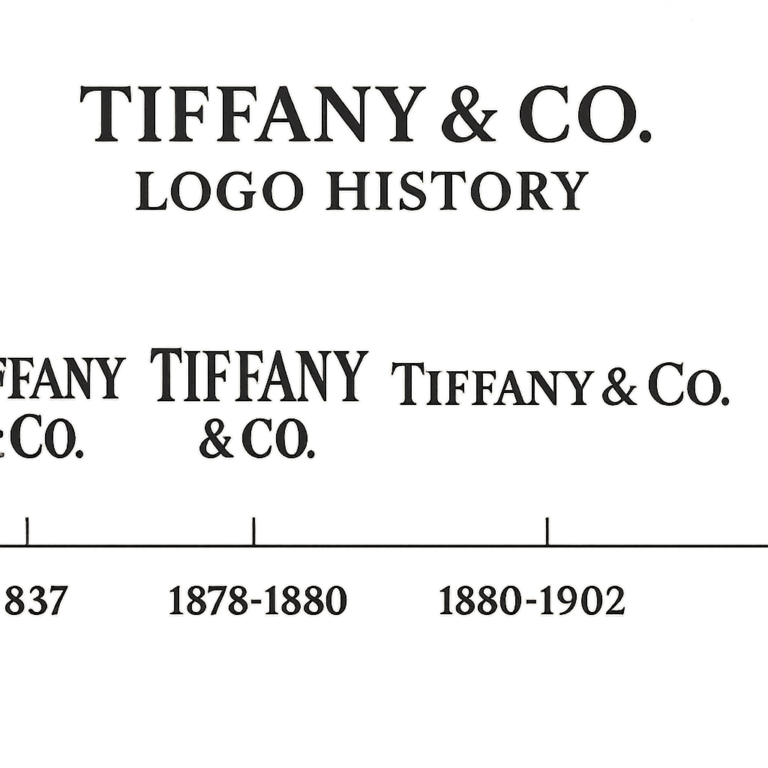
🕰️ Tiffany & Co. History Timeline: 1837 to 2026 (10 Eras)

Ever wonder how a tiny stationery shop on Broadway became the global symbol of romance and luxury? We certainly did, and the journey is far more dramatic than a simple list of dates. From selling fancy goods for $4.98 on day one to crafting the Vince Lombardi Trophy and surviving a $15.8 billion acquisition, the Tiffany & Co. history timeline is a masterclass in reinvention. In this deep dive, we’ll uncover the secret behind the Tiffany Blue Box, reveal why the Tiffany Setting changed engagement rings forever, and explore how the brand survived the Civil War, the Great Depression, and the digital age.
But here’s a little teaser: did you know the famous Tiffany Yellow Diamond has been worn by only four women in history? We’ll tell you exactly who they are and why that stone is worth more than a small country’s GDP later in the article. Whether you’re a vintage collector hunting for a 19th-century piece or a modern shopper eyeing the latest Tiffany T collection, understanding this legacy helps you appreciate the weight of the metal and the brilliance of the gem.
Key Takeaways
- Fixed Pricing Revolution: Tiffany & Co. pioneered the “one price, no haggling” policy in 1837, establishing a new standard for trust in American retail.
- The Iconic Blue Box: The Tiffany Blue color is a legally protected trademark, and the box is so exclusive it cannot be purchased separately from a product.
- Design Evolution: The brand successfully pivoted from Art Nouveau glass to Modernist silver (Elsa Peretti) and geometric gold (Paloma Picasso), influencing generations of designers.
- Cultural Impact: From Breakfast at Tiffany’s to creating the Super Bowl trophy, Tiffany has shaped both pop culture and American history for nearly two centuries.
- Modern Era: The 2021 LVMH acquisition marked a new chapter, blending heritage with global luxury expansion while maintaining core craftsmanship values.
Table of Contents
- ⚡️ Quick Tips and Facts
- 🕰️ The Tiffany & Co. History Timeline: From 1837 to Modern Day
- 🏪 1837: The Humble Beginings as a Stationery and Fancy Goods Store
- 💎 1845: The First Blue Book and the Birth of American Luxury Catalogs
- 🇺🇸 1861–1865: Tiffany & Co. During the Civil War and the Rise of Diamonds
- 👑 1870s–1890s: The Gilded Age, Charles Lewis Tiffany, and the Empire State
- 🌍 190s–1920s: Louis Comfort Tiffany, Art Nouveau, and Global Expansion
- 🥂 1930s–1950s: The Return to Classicism, Jean Schlumberger, and the “Breakfast at Tiffany’s” Era
- 🎨 1960s–1980s: Elsa Peretti, Paloma Picasso, and the Democratization of Luxury
- 📈 190s–2010s: The Tiffany Blue Box Phenomenon and Digital Transformation
- 🤝 2020s: The LVMH Acquisition and the Future of an American Icon
- 💍 Iconic Collections That Defined the Tiffany & Co. Timeline
- 🔑 The Tiffany Setting: Revolutionizing the Solitaire Engagement Ring
- 🐍 The Snake and the Serpent: Elsa Peretti’s Open Heart and Bone Cuff Legacy
- 🎨 The Return to Tiffany: A Nostalgic Journey Through the 1970s
- 🌟 The Tiffany T: Modern Geometry and the Power of the Letter
- 🎨 Artistic Evolution: How Design Movements Shaped Tiffany & Co.
- 🌐 Tiffany & Co. Stores: From Broadway to the World’s Most Famous Flagships
- 📺 Tiffany & Co. in Pop Culture: From Audrey Hepburn to Hip-Hop
- 🏆 Beyond Jewelry: Tiffany & Co. Sports Awards and Historical Comissions
- 💡 Expert Insights: How to Spot Authentic Tiffany & Co. Pieces Through the Ages
- ❓ Frequently Asked Questions About the Tiffany & Co. History Timeline
- 🔗 Recommended Links for Further Exploration
- 📚 Reference Links and Citations
- 🏁 Conclusion: The Enduring Legacy of the Blue Box
⚡️ Quick Tips and Facts
Before we dive into the glittering archives of the Tiffany & Co. history timeline, let’s hit the ground running with some gemologist-approved nugets of wisdom. Whether you’re a vintage hunter, a modern luxury enthusiast, or just curious about why that little blue box makes our hearts skip a beat, these facts are your cheat sheet.
- The “No Haggling” Rule: In the 1830s, haggling was the norm. Tiffany & Co. changed the game by introducing fixed pricing. You paid the price on the tag, no questions asked. It was revolutionary then, and it’s still a pillar of their brand integrity today.
- The Blue Box Secret: You can’t just walk into a store and ask for a blue box. The iconic Tiffany Blue is so protected that the company has a strict policy: “No box can be taken out of a Tiffany & Co. store except with an article which has been sold by them.” It’s the ultimate symbol of exclusivity.
- The Yellow Diamond: The famous Tiffany Diamond isn’t just big; it’s a 128.54-carat fancy yellow gem with 90 facets (most diamonds have 57 or 58). It has been worn by only four women in history: Mrs. Howard Russell, Audrey Hepburn, Lady Gaga, and Beyoncé.
- Silver Revolution: Before Elsa Peretti arrived in the 1970s, Tiffany hadn’t sold sterling silver as fine jewelry since the Great Depression. She turned “cheap” silver into a luxury status symbol.
- Sports Royalty: Did you know the Vince Lombardi Trophy (Super Bowl) and the Larry O’Brien Championship Trophy (NBA) are made by Tiffany? They’ve been crafting the world’s most coveted sports awards since the 1960s.
If you’re wondering how to navigate the vast world of luxury brands, check out our guide on How to Choose the Right Jewelry Brand for Your Style (2026) to see where Tiffany fits into your personal aesthetic.
🕰️ The Tiffany & Co. History Timeline: From 1837 to Modern Day

The story of Tiffany & Co. isn’t just a list of dates; it’s a saga of American ambition, artistic rebellion, and the relentless pursuit of perfection. We’ve walked the halls of their archives (metaphorically, of course) and can tell you that the journey from a stationery shop to a global luxury empire is nothing short of cinematic.
🏪 1837: The Humble Beginings as a Stationery and Fancy Goods Store
It all started on September 18, 1837, in a small shop at 259 Broadway in New York City. Charles Lewis Tiffany, a 25-year-old son of a Connecticut farmer, and his friend John B. Young opened “Tiffany, Young and Ellis.”
- The First Day: Their first day of sales totaled a meager $4.98. Can you imagine? For less than the price of a fancy coffee today, they sold a few fancy goods.
- The Business Model: Unlike their competitors who relied on bartering and haggling, Tiffany introduced the concept of “one price, no haggling.” This transparency built immediate trust.
- The Inventory: They didn’t sell diamonds yet. They sold stationery, fancy goods, and imported curiosities. It was the “Amazon” of the 19th century, but with better paper.
Gemologist’s Note: Many people assume Tiffany started with diamonds. They didn’t! The pivot to jewelry happened gradually, driven by Charles Tiffany’s keen eye for quality and the growing wealth of the American elite.
💎 1845: The First Blue Book and the Birth of American Luxury Catalogs
By 1845, the company was ready to expand its reach beyond the walls of their Broadway shop. They published the first “Tiffany Blue Book.”
- A Mail-Order Revolution: This wasn’t just a catalog; it was a masterpiece. It was one of the first catalogs printed in full color and was distributed for free.
- The Reach: By 1945, the Blue Book was reaching 15 million people. It allowed customers from across the country (and eventually the world) to shop Tiffany from their armchairs.
- The Legacy: The Blue Book tradition continued for over 170 years, becoming a collector’s item in its own right. It established Tiffany as a household name long before the internet existed.
🇺🇸 1861–1865: Tiffany & Co. During the Civil War and the Rise of Diamonds
While the nation was torn apart by the Civil War, Tiffany & Co. found its footing in the luxury market.
- War Supplies: The company supplied the Union Army with swords, flags, and surgical implements. They even created the Model 1840 Cavalry Saber.
- The Shift to Jewelry: As the war wound down, Charles Tiffany realized that the newly wealthy industrialists needed a place to spend their money. He began shifting the focus from stationery to fine jewelry and silverware.
- The 1868 Incorporation: In 1868, the firm was officially incorporated as Tiffany & Co., solidifying its status as a corporate powerhouse.
👑 1870s–1890s: The Gilded Age, Charles Lewis Tiffany, and the Empire State
This era is often called the “Gilded Age,” and Tiffany was the golden boy.
- The “Palace of Jewels”: In 1870, they moved to a new building at 15 Union Square West. The New York Times described it as a “palace of jewels.”
- The Tiffany Yellow Diamond: In 1879, Charles Tiffany purchased a massive 287.42-carat rough yellow diamond from South Africa. It was cut into the famous 128.54-carat stone we know today.
- International Aclaim: Tiffany won gold medals at the Paris Exposition in 1878, proving that American craftsmanship could rival the best of Europe.
- The Great Seal: In 185, Tiffany was commissioned to revise the Great Seal of the United States, a testament to their national prestige.
🌍 190s–1920s: Louis Comfort Tiffany, Art Nouveau, and Global Expansion
Enter Louis Comfort Tiffany, the son of the founder. While his father was the businessman, Louis was the artist.
- Art Nouveau: Louis introduced Art Nouveau styles, utilizing iridescent glass, opals, and intricate enameling. He founded the “Tiffany Art Jewelry” department in 1902.
- Global Footprint: Tiffany began expanding globally, opening stores in London and Paris, establishing itself as a true international luxury brand.
- The Medal of Honor: In 1919, Tiffany designed the “Tiffany Cross” version of the Medal of Honor for the U.S. Navy, a design that was later retired but remains a fascinating piece of military history.
🥂 1930s–1950s: The Return to Classicism, Jean Schlumberger, and the “Breakfast at Tiffany’s” Era
The Great Depression and World War II slowed things down, but the 1950s brought a renaissance of classic elegance.
- Fifth Avenue Flagship: In 1940, the flagship store moved to its iconic location at 727 Fifth Avenue and 57th Street. This building would become the backdrop for one of the most famous movies in history.
- Jean Schlumberger: In 1956, the eccentric and talented Jean Schlumberger joined the firm. His nature-inspired designs, like the “Bird on a Rock” broch, became instant classics.
- Breakfast at Tiffany’s: The 1961 film Breakfast at Tiffany’s starring Audrey Hepburn cemented Tiffany’s place in pop culture. The image of Hepburn in her little black dress, eating a croissant outside the store, is etched in our collective memory.
🎨 1960s–1980s: Elsa Peretti, Paloma Picasso, and the Democratization of Luxury
This was the era when Tiffany became accessible to a broader audience without losing its luxury status.
- Elsa Peretti: In 1974, Elsa Peretti joined the team. She revolutionized the industry by making sterling silver a luxury material. Her Open Heart, Bean, and Bone Cuff designs are still bestsellers today.
- Paloma Picasso: In 1980, Paloma Picasso brought bold colors and graphic motifs to the brand. Her Paloma’s Graffiti collection captured the energy of the 1980s.
- The Blue Box Trademark: In 198, Tiffany officially trademarked the Tiffany Blue color, standardizing it as Pantone 1837 Blue.
📈 190s–2010s: The Tiffany Blue Box Phenomenon and Digital Transformation
As the millennium turned, Tiffany adapted to the digital age while maintaining its heritage.
- New Collections: The brand launched iconic collections like Tiffany Keys (209), Tiffany T (2014), and Tiffany HardWear (2017).
- Digital Presence: Tiffany embraced e-commerce and social media, engaging with a younger generation of consumers.
- Sustainability: In 204, Tiffany ceased the sale of coral jewelry due to environmental concerns, setting a precedent for ethical sourcing in the luxury industry.
🤝 2020s: The LVMH Acquisition and the Future of an American Icon
The most significant chapter in recent history began in 2019 when LVMH announced its intention to acquire Tiffany & Co.
- The Deal: After a complex negotiation process, the acquisition was completed in January 2021 for $15.8 billion.
- The Future: Under LVMH, Tiffany continues to innovate, with new flagship renovations and campaigns featuring stars like Beyoncé, Jay-Z, and Natalie Portman.
- The Legacy: Despite the corporate changes, the core values of craftsmanship, quality, and the iconic blue box remain untouched.
💍 Iconic Collections That Defined the Tiffany & Co. Timeline
Tiffany’s history is written in its collections. Each piece tells a story of the era it was created in and the designer who envisioned it.
🔑 The Tiffany Setting: Revolutionizing the Solitaire Engagement Ring
Introduced in 186, the Tiffany Setting changed the world of engagement rings forever.
- The Innovation: Before this, diamonds were often set low into the band, hiding half the stone. The Tiffany Setting used six prongs to lift the diamond high above the band, allowing light to enter from all angles.
- The Result: The diamond appeared to “float,” maximizing its brilliance and fire.
- The Impact: It remains the most popular engagement ring style in the world, a testament to timeless design.
🐍 The Snake and the Serpent: Elsa Peretti’s Open Heart and Bone Cuff Legacy
Elsa Peretti’s designs are synonymous with modern elegance.
- The Open Heart: A simple, fluid shape that represents love and vulnerability. It’s one of the best-selling jewelry pieces of all time.
- The Bone Cuff: Inspired by the anatomy of a horse’s leg bone, this cuff is sculptural and bold. It’s available in sterling silver, gold, and with diamonds.
- The Bean: A smooth, organic shape that represents the seed of life. It’s a favorite for its simplicity and versatility.
🎨 The Return to Tiffany: A Nostalgic Journey Through the 1970s
Launched in the 1970s, the Return to Tiffany collection was a nod to the brand’s heritage.
- The Design: Featuring the iconic “Return to Tiffany” script and a heart motif, these pieces were affordable yet luxurious.
- The Appeal: It made Tiffany accessible to younger customers and became a staple of American jewelry culture.
🌟 The Tiffany T: Modern Geometry and the Power of the Letter
Launched in 2014, the Tiffany T collection is a celebration of the brand’s initial.
- The Concept: The letter “T” is used in various configurations, from bold links to delicate pendants.
- The Meaning: It represents the brand’s legacy and the power of the individual.
- The Style: It’s a modern, geometric take on classic luxury, perfect for the contemporary wearer.
🎨 Artistic Evolution: How Design Movements Shaped Tiffany & Co.
Tiffany’s history is a mirror of the art world. From the Art Nouveau of Louis Comfort Tiffany to the Modernism of Elsa Peretti, the brand has always been at the forefront of design trends.
- Art Nouveau (1890s-1910s): Characterized by organic lines, nature motifs, and the use of enamel and opals.
- Art Deco (1920s-1930s): A shift to geometric shapes, bold colors, and the use of platinum and diamonds.
- Modernism (1950s-Present): A focus on simplicity, functionality, and the use of new materials like sterling silver.
🌐 Tiffany & Co. Stores: From Broadway to the World’s Most Famous Flagships
The physical presence of Tiffany & Co. is as iconic as its jewelry.
- Broadway (1837): The humble beginnings.
- Union Square (1870): The “Palace of Jewels.”
- Fifth Avenue (1940-Present): The global flagship, a landmark of New York City.
- Global Expansion: Stores in Tokyo, London, Paris, and beyond, each designed to reflect the local culture while maintaining the Tiffany aesthetic.
📺 Tiffany & Co. in Pop Culture: From Audrey Hepburn to Hip-Hop
Tiffany has been a fixture in pop culture for over a century.
- Breakfast at Tiffany’s (1961): The film that made Tiffany a household name.
- The Great Gatsby (2013): Tiffany created custom jewelry for the film, capturing the glamour of the 1920s.
- Hip-Hop Culture: In recent years, Tiffany has embraced hip-hop, collaborating with artists like Pharell Williams and A$AP Rocky.
🏆 Beyond Jewelry: Tiffany & Co. Sports Awards and Historical Comissions
Tiffany’s craftsmanship extends beyond jewelry.
- Sports Trophies: The Vince Lombardi Trophy, Larry O’Brien Championship Trophy, and Commissioner’s Trophy are all made by Tiffany.
- Historical Comissions: From the Great Seal of the United States to the Medal of Honor, Tiffany has been involved in some of the most significant moments in American history.
💡 Expert Insights: How to Spot Authentic Tiffany & Co. Pieces Through the Ages
As gemologists, we often get asked how to spot a fake. Here are our top tips:
- The Hallmark: Look for the “Tiffany & Co.” stamp. It should be crisp and clear.
- The Weight: Authentic Tiffany pieces have a substantial weight due to the quality of the metal.
- The Craftsmanship: Look for fine details, smooth finishes, and precise settings.
- The Blue Box: While not a guarantee, the box should be the correct shade of blue and have the proper logo.
For more on identifying authentic pieces, visit our Fine Jewelry category.
❓ Frequently Asked Questions About the Tiffany & Co. History Timeline

What is Tiffany and Co most famous for?
Tiffany & Co. is most famous for its diamond engagement rings, particularly the Tiffany Setting, and its iconic Tiffany Blue Box. The brand is also renowned for its sterling silver collections and its role in creating major sports trophies.
Why is Tiffany so famous?
Tiffany’s fame stems from its innovation (fixed pricing, the Blue Book), its artistic collaborations (Louis Comfort Tiffany, Elsa Peretti), and its cultural impact (Breakfast at Tiffany’s). It successfully positioned itself as the quintessential American luxury brand.
When did Tiffany Co start?
Tiffany & Co. was founded on September 18, 1837, by Charles Lewis Tiffany and John B. Young as “Tiffany, Young and Ellis.”
How can you tell if Tiffany is vintage?
Vintage Tiffany pieces often have specific hallmarks, such as the “Tiffany & Co.” stamp, a date code, or a specific design style associated with a particular era (e.g., Art Nouveau, Art Deco). The patina on silver and the cut of diamonds can also indicate age.
What is the oldest Tiffany and Co.?
The oldest Tiffany & Co. piece in their collection is likely a piece from the 1830s or 1840s, such as a stationery item or a piece of silverware. The Tiffany Yellow Diamond, purchased in 1879, is the oldest and most famous gemstone in their collection.
How did Tiffany & Co. evolve from a stationery store to a luxury jewelry brand?
The evolution was driven by Charles Lewis Tiffany’s vision. He recognized the growing wealth of the American elite and shifted the company’s focus to fine jewelry and silverware. The introduction of the Blue Book and the fixed pricing policy helped establish the brand’s reputation for quality and trust.
What are the most significant milestones in Tiffany & Co.’s history timeline?
- 1837: Founding as a stationery store.
- 1845: Publication of the first Blue Book.
- 1853: Renaming to Tiffany & Co.
- 186: Introduction of the Tiffany Setting.
- 1940: Move to the Fifth Avenue flagship.
- 1961: Breakfast at Tiffany’s release.
- 1974: Elsa Peretti’s arrival.
- 2021: Acquisition by LVMH.
How has Tiffany & Co.’s design legacy influenced modern jewelry trends?
Tiffany’s design legacy has influenced modern trends through its minimalist aesthetic (Elsa Peretti), its bold use of color (Paloma Picasso), and its focus on the diamond (Tiffany Setting). The brand’s ability to blend classic elegance with modern innovation continues to inspire designers worldwide.
When did Tiffany & Co. introduce the iconic Tiffany Setting engagement ring?
The Tiffany Setting was introduced in 186. It revolutionized the engagement ring industry by lifting the diamond above the band to maximize its brilliance.
🏁 Conclusion: The Enduring Legacy of the Blue Box
From a humble stationery shop in 1837 to a global luxury powerhouse under LVMH, the Tiffany & Co. history timeline is a testament to the power of vision, innovation, and craftsmanship.
We started this journey wondering how a company could survive for nearly two centuries in the fickle world of fashion. The answer lies in their ability to adapt without losing their soul. Whether it was the fixed pricing of the 1830s, the Art Nouveau of the 190s, or the modern minimalism of the 1970s, Tiffany has always stayed true to its core values: quality, elegance, and exclusivity.
The Tiffany Blue Box is more than just packaging; it’s a symbol of a promise kept for nearly 20 years. It represents the moment you open it and realize that you’re holding a piece of history, a piece of art, and a piece of your own story.
So, the next time you see that little blue box, remember: it’s not just a box. It’s a legacy.
🔗 Recommended Links for Further Exploration
If you’re ready to dive deeper into the world of luxury jewelry, here are some resources to guide your journey:
- 👉 Shop Tiffany & Co. on Amazon: Tiffany & Co. Jewelry Search
- 👉 Shop Tiffany & Co. on the Official Website: Tiffany & Co. Official Site
- Read “Breakfast at Tiffany’s” on Amazon: Breakfast at Tiffany’s by Truman Capote
- Explore Vintage Tiffany on Etsy: Vintage Tiffany & Co. Jewelry
📚 Reference Links and Citations
For those who love to fact-check (and we do too!), here are the sources that helped us craft this timeline:
- Wikipedia: Tiffany & Co. History Timeline & Key Facts
- Sotheby’s: The Brilliant History of Tiffany & Co. Jewelry
- Brand Tiffany & Co. Blog: Timeline | TIFFANY & CO
- Tiffany & Co. Official Site: Our History
- LVMH: LVMH Acquires Tiffany & Co.
🎥 Featured Video
Want to see the history of Tiffany & Co. come to life? Check out this video that traces the brand’s journey from its founding to the present day, highlighting key moments and contributions to jewelry design and luxury retail.